
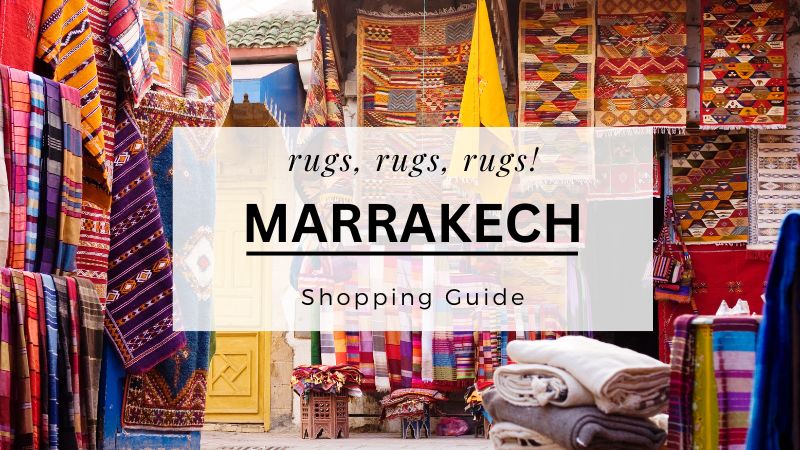
Achat de tapis à Marrakech : conseils pour une expérience réussie
The Ultimate Guide to Buying Moroccan Rugs in Marrakech
Explore the essentials of purchasing authentic Moroccan rugs in Marrakech, including bargaining tips and cultural insights.
A Brief Background of Moroccan Rugs
Moroccan rugs reflect a rich tapestry of cultural heritage, primarily handmade by the country’s diverse Berber tribes. With over forty distinct tribes, each rug tells a unique story through its design and craftsmanship. Typically woven on looms by skilled women, creating a single rug can take anywhere from 10 days to 6 months, depending on complexity and availability of time. These rugs are more than just decorative items; they serve practical purposes in homes and are often used for special celebrations before being sold or traded.
When planning a visit to Morocco, especially to buy a rug—also known as a zerbiya—there are several important considerations to keep in mind.
Understanding the Bargaining Culture
Bargaining is not just encouraged; it’s an essential part of the shopping experience when purchasing a rug in Morocco. Visitors should be prepared to negotiate rather than accept the initial price, which can often be inflated. To start, consider offering about two-thirds less than the initial asking price and expect to settle somewhere around half.
The key to successful bargaining lies in being prepared to walk away if the price does not meet your expectations. Many sellers realize that customers are more likely to return after walking away, often leading to a better deal. It’s crucial to finalize any agreement only when you genuinely feel satisfied with the price, as backing out afterwards can strain the seller’s trust.
Maintain an Air of Indifference
If you fall in love with a particular rug, it is wise to conceal your enthusiasm. Showing too much interest can diminish your bargaining power. Instead, act nonchalant and explore other options. By appearing less attached to a specific piece, you may find the seller more willing to negotiate the price down. If your initial price proposal is rejected, consider walking away to encourage the seller to reconsider your offer.
Selecting the Right Rug
Navigating the vast array of rugs in Marrakech can be overwhelming, with countless styles and colors competing for attention. Start by defining your preferences—think about the colors, patterns, and styles that resonate with you. Communicate these preferences to the vendor.
As you explore, keep a ‘maybe’ pile of rugs that initially catch your interest. When the confusion mounts, request the removal of rugs you do not like. This will help you focus on your favorites, simplifying the decision-making process. Remember that rugs in showrooms are typically larger than your home environment; what may seem large in the store could be perfect for your space.
Evaluating Antique and Vintage Rugs
When confronted with claims of antique rugs, be wary and do your research. The market includes a myriad of ‘aged’ carpets that may not hold true historical value. Authentic antiques from Morocco are challenging to find, especially those dating before the 1920s. Even genuine older rugs might exhibit wear and fading; thus, evaluating a piece based on personal appreciation rather than perceived investment value is often more fruitful.
Performing the Fire Test
A simple yet effective method for determining whether a rug is truly made from wool involves the fire test. By holding a lighter to a loose edge of the rug, you can assess its authenticity: wool will char but not ignite, while synthetic fibers will catch fire. Executing this test can stir tension with a seller if they have misrepresented the rug, but it is a crucial step in ensuring authenticity.
Exploring Various Shops
Take your time exploring multiple rug shops to gain a grasp of various offerings before making a decision. Investing in fixed-price shops, such as artisan centers in urban areas, provides valuable insights into pricing without pressure. For instance, the Ensemble Artisanal in Marrakech showcases diverse artisan goods and can serve as a reference point for what rugs typically cost.
Beware of the Co-op Myth
The allure of supporting women’s cooperatives can lead tourists astray. Often, so-called co-ops do not operate as benevolently as portrayed. You may find that the women creating the rugs receive minimal compensation regardless of final selling prices. It’s essential to investigate the legitimacy of these co-ops to ensure meaningful support if you choose this route.
Understanding Pricing Variables
The cost of Moroccan rugs varies widely based on several factors, such as design complexity, age, and condition. For instance, you might find small rugs priced between 750 and 1,000 dirhams while larger, vintage pieces can range from 10,000 to 25,000 dirhams or more. Generally, prices in Morocco are significantly lower than those abroad.
Preparing for Your Shopping Experience
Arming yourself with knowledge before shopping can drastically enhance your experience. Know the desired rug size and preferred colors, as Moroccan rugs often differ from Western designs in dimensions. Familiarize yourself with common styles associated with various tribes, and set a practical budget before entering the market.
If you need shipping services, consider arranging it through the shop to minimize hassle. While managing shipping on your own may be possible, it can also be cumbersome.
Rug Care in Your Home
Once you secure a Moroccan rug, understanding its maintenance is vital. Avoid attempting complex cleaning procedures on your own unless experienced; rather, seek professional help. Regular care will ensure the longevity and vibrancy of your investment.
The experience of buying a rug in Marrakech is as emotionally rewarding as it is visually pleasing. Following these guidelines will not only boost your confidence but also enable you to find a stunning piece to enhance your home while celebrating Moroccan craftsmanship and culture.
Marrying art and functionality, Moroccan rugs are much more than decorative items; they encapsulate a rich heritage, making them a prized possession for any collector.