
L’artisanat du cuir marocain : un trésor culturel à découvrir
Exploring the Legacy of Moroccan Leather: A Craftsmanship Journey
Discover the enchanting world of Moroccan leather, from traditional tanneries to breathtaking artisan goods. Learn about the craftsmanship that makes these products unique.
The Rich Heritage of Moroccan Leather
Morocco, renowned for its vibrant culture and rich history, captivates visitors with its stunning landscapes, bustling markets, and exquisite cuisine. Amongst its many treasures, Moroccan leather distinguishes itself as a testament to exceptional craftsmanship and age-old traditions. This article invites you to embark on an enchanting journey through the world of Moroccan leather, showcasing its diverse range of products, the secrets of famous tanneries in Fes, and the artistry underlying each creation.
Moroccan Leather Goods: A Tapestry of Artistry
Moroccan leather goods present a vibrant tapestry of innovative designs and remarkable quality. From fashionable footwear to elegant accessories and intricate furnishings, the country’s offerings cater to every taste. Each product not only serves a functional purpose but also reflects the deep-rooted cultural heritage of Morocco.
Babouches: The Quintessential Moroccan Slippers
Moroccan babouches, or slippers, epitomize the country’s footwear tradition. These slip-on shoes come in numerous designs, colors, and patterns, making them versatile for both indoor and outdoor use. Crafted from soft, durable leather, babouches are often adorned with intricate embroidery, embodying the essence of Moroccan culture and style. Available in various styles, from simple to ornate, these slippers are a must-have for anyone exploring Moroccan craftsmanship.
Leather Bags and Purses: Beauty Meets Functionality
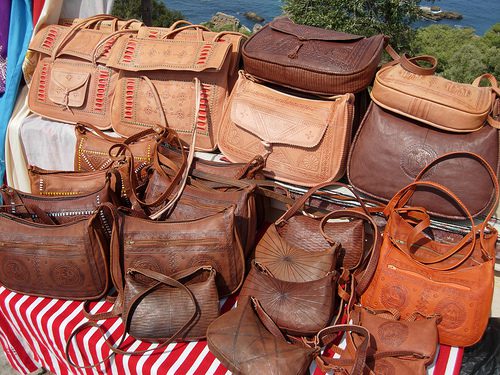
Moroccan leather bags and purses are celebrated for their stunning beauty and practical design. Whether opting for a tote bag, crossbody style, or elegant clutch, these accessories showcase the durability and opulence of Moroccan leather. Ranging from minimalist to intricately embossed designs, these bags are timeless pieces suitable for any occasion. Each one tells a story of the region’s artisanal expertise and creative spirit.
The Craft of Moroccan Leather Belts
Moroccan leather belts exemplify fine craftsmanship and are essential in completing any outfit. Made from high-quality leather, these belts feature meticulous workmanship, often embellished with detailed metal buckles that add a touch of Moroccan flair. The variety in design allows customers to find the perfect belt that resonates with their personal style, making it a staple accessory in many wardrobes.
Wallets and Cardholders: A Blend of Elegance and Utility
Timeless allure characterizes Moroccan leather wallets and cardholders, crafted with precision and an acute attention to detail. These items come in various styles and sizes, catering to different personal preferences and practical needs. The natural dyes used in the tanning process impart unique and rich hues to each piece, ensuring that no two wallets are exactly alike.
The Allure of Moroccan Pouffes
Moroccan leather pouffes exemplify comfort and style, merging functionality with aesthetics seamlessly. These round, cushioned seats are often covered in leather and adorned with traditional embroidery or patterns. Serving as both seating and decor, pouffes add a touch of authenticity to any space, inviting warmth and cultural richness into homes.
Capturing Thoughts in Moroccan Leather Journals
For those who appreciate elegance, Moroccan leather journals and notebooks offer a perfect blend of art and practicality. Upholstered with soft, supple leather, these journals often feature intricate designs embossed on the covers. Designed for jotting down thoughts, sketches, and travel experiences, these items embody the artistry inherent in Moroccan leatherwork, making them ideal keepsakes or gifts for the creatively inclined.
Understanding Moroccan Leather Pricing
It’s crucial to understand the pricing of Moroccan leather goods to make informed purchasing decisions. Prices can vary widely based on several factors, including size, style, quality, and location of purchase. Here’s a breakdown of approximate price ranges for popular Moroccan leather items:
Medium-sized bags: Approximately 400dh to 800dh.
Leather slippers (babouches): Starting at 80dh to 250dh depending on design intricacies.
Leather jackets: Range from 800dh for basic styles to over 2500dh for high-end, intricately designed pieces.
Leather bags and purses: Usually vary from 300dh for simple designs to 1500dh or more for larger, ornate bags.
Leather belts: Typically priced between 150dh to 500dh, influenced by craftsmanship and design.
Leather wallets and cardholders: Generally range from 100dh to 300dh, dictated by the complexity of design.
Moroccan pouffes: Usually cost between 400dh and 1000dh or more, determined by size and intricacies.
Leather journals and notebooks: Range from 150dh to 400dh, especially for handcrafted items.
For smaller leather accessories like keychains and passport holders, prices typically range from 50dh to 200dh.
These price ranges serve as a guideline and can fluctuate depending on the market, shop, and negotiation skills during your visit.
The Tanning Process: A Time-Honored Tradition
The remarkable quality of Moroccan leather rests on centuries-old craftsmanship and a unique tanning process known as “Chouara tanning.” This ancient tradition has been passed down through generations, with skilled artisans laboring in tanneries to create the supple leather Morocco is famed for. Visitors to Morocco can witness this age-old practice firsthand, marveling at the vibrant vats filled with natural dyes and the craftsmanship behind every piece.
Camel, Cow, Sheep, and Goat: Diverse Sources of Leather
Moroccan leather derives from a variety of sources, each contributing unique characteristics to the final product. Camel leather is prized for its durability, often used for robust leather items such as bags and belts. Cow leather, favored for its strength, is common in a wide array of products including jackets and shoes. Sheep leather is respected for its softness, suitable for creating fine items like gloves and slippers. Goat leather is lightweight and flexible, often utilized in crafting traditional footwear and smaller accessories.
Renowned Tanneries of Morocco
Fes boasts the distinguished Chouara Tannery, one of Morocco’s oldest and most revered. Established in the 11th century, this tannery offers a remarkable look into the historical practices of leather crafting. Visitors can explore the site, witnessing the age-old techniques that inform contemporary Moroccan leather goods.
Marrakech is also home to several smaller tanneries that, while modest in scale, offer equally memorable experiences. Tourists can observe the leather-tanning process and shop for an array of products, embracing the unique atmosphere of Marrakech’s vibrant markets.
Where to Purchase Authentic Moroccan Leather
Medina Souks in Morocco’s cities, especially Marrakech and Fes, are treasure troves for leather enthusiasts. Within these lively markets, shoppers can find an extensive range of leather goods. Engaging in bargaining is customary, and visitors are encouraged to haggle to find the best deals.
For those seeking authenticity, artisan cooperatives present an excellent choice. These organizations support local craftspeople and maintain fixed pricing, ensuring that customers receive genuine and high-quality products. Notably, the Ensemble Artisanal Marrakech is well worth a visit for its curated selection.
Boutiques and specialty shops across several Moroccan cities also offer unique leather items. These stores often showcase high-quality products, making them suitable for those with specific design or style preferences.
For convenience, several online marketplaces provide options for purchasing Moroccan leather goods. Shoppers are advised to ensure that they buy from reputable sellers to guarantee authenticity and quality in their purchases.
Moroccan leather embodies a splendid fusion of artistry and tradition, inviting visitors to bring home a piece of the country’s rich cultural heritage. The craftsmanship observed in each item, the mesmerizing tanning processes, and the bustling markets all combine to offer an unforgettable experience. Embracing the allure of Moroccan leather not only enhances your wardrobe but also enriches your travels and understanding of the country’s vibrant culture.