
Les villes impériales du Maroc : découverte de Marrakech, Fès, Meknès et Rabat
Exploring the Imperial Cities of Morocco: A Journey Through Time
Discover the rich history and vibrant culture of Morocco’s Imperial Cities: Marrakech, Fes, Meknes, and Rabat, offering a unique travel experience.
A Historical Overview of Morocco’s Imperial Cities
Morocco is a land steeped in history and culture, encapsulated in its four Imperial Cities: Marrakech, Fes, Meknes, and Rabat. Each city has played a crucial role in the country’s past, serving as the capital at various points in time. Exploring these cities is akin to navigating through a labyrinth of vibrant stories and rich traditions that shape the Moroccan identity.
The Imperial Cities offer a glimpse into the diverse landscapes that define Morocco, from the bustling markets to serene gardens. This article delves into each city, highlighting their significance, must-see attractions, and travel tips for an enriching experience.
Marrakech – The Red City
Marrakech, famously known as “The Red City,” is one of Morocco’s most revered destinations, named for the distinctive reddish hue of its buildings. Established in 1062 by Youssef ibn Tachfin, it rose to prominence as the capital of the Almoravid Empire. The city’s medina, a UNESCO World Heritage site, features a maze of narrow alleyways bustling with souks, where visitors can find everything from spices to traditional crafts.
The Koutoubia Mosque, an architectural marvel, towers over the city and is a key landmark. Nearby, the Bahia Palace showcases intricate design and lush gardens. The lively Jemaa el-Fnaa square buzzes with entertainers, food vendors, and local handicrafts, making it a must-visit for anyone exploring Marrakech.
Visitors should also take time to unwind at the Majorelle Garden, a tranquil oasis famed for its unique blue structures, and the Saadian Tombs, a historical site that narrates the legacy of the Saadian dynasty.
Fes – The Spiritual Heart
Fes is often referred to as the “Spiritual Heart of Morocco,” with a rich heritage that includes one of the world’s oldest universities, the University of Al Quaraouiyine. Founded by Idris I in the 8th century, it became the center of learning during the Idrisid and Marinid dynasties. The medina of Fes el-Bali is a UNESCO World Heritage site, offering an enchanting maze of narrow streets, ancient madrasas, and intricate palaces.
Notable sights include the Bou Inania Madrasa, where remarkable architecture meets rich history, and the Dar Batha Museum, which displays traditional Moroccan crafts. The vibrant Chouara Tannery presents a unique opportunity to witness the traditional leather-making process, revealing the intricate techniques that have remained unchanged for centuries.
Meknes – Imperial Majesty
Meknes stands out as a city of grand architecture and historical significance. Founded by Sultan Moulay Ismail in the 17th century, it was once the capital of Morocco. Often referred to as the “Versailles of Morocco,” Meknes showcases stunning buildings like the grand Bab Mansour gate and the Heri es-Souani granaries, which served to store provisions for royal horses.
The medina is less crowded compared to Marrakech and Fes, offering a peaceful space to wander. A visit to the Moulay Ismail Mausoleum provides insight into the life of this influential ruler. For a relaxing experience, the Agdal Basin offers beautiful views and a serene environment, perfect for a leisurely stroll.
Rabat – The Modern Capital
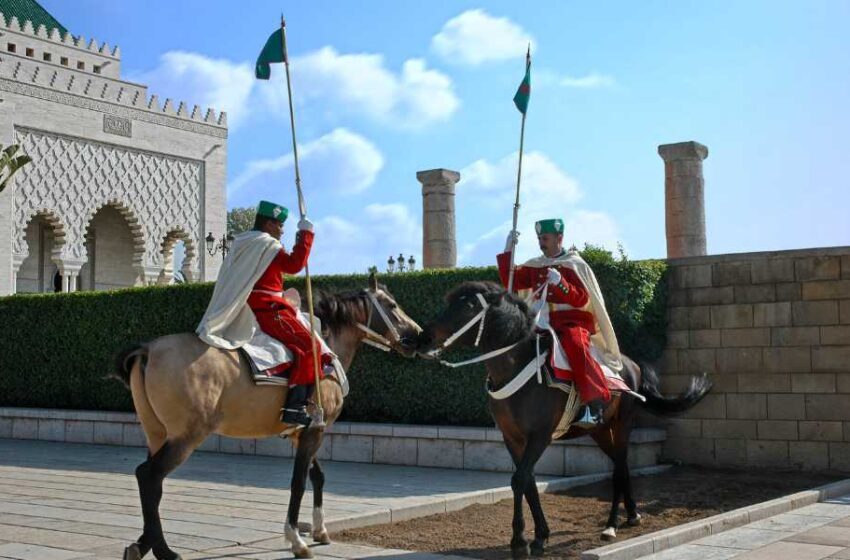
As the present-day capital of Morocco, Rabat combines modernity with rich history. Landmarks like the Kasbah of the Udayas and the Hassan Tower—an unfinished symbol of ambition—highlight the city’s historical depth. Rabat’s lush gardens, particularly the Andalusian Gardens, offer a peaceful retreat from the urban hustle, making it a unique blend of old and new.
Visitors should not miss the Royal Palace, showcasing traditional Moroccan architecture, and take in the coastal views at the Oudayas Kasbah. The tranquility and historical significance of Rabat make it a crucial part of the Imperial Cities experience.
Planning Your Imperial City Tour
To fully immerse oneself in the charm of Morocco’s Imperial Cities, thoughtful planning can enhance the experience.
Travelers should consider allocating at least a week to explore these cities, allowing for a deeper understanding of their history and culture. Each city is well-connected, making transportation relatively easy through trains and buses.
Hiring local guides can provide invaluable insights about the cities’ rich heritage, making your visit more meaningful. Emphasizing local customs, visitors are encouraged to dress modestly, particularly in religious sites to show respect.
Culinary exploration is also part of the journey; each city boasts unique dishes that reflect its culture. Trying local specialties at restaurants and street food stalls adds another layer of richness to the visit.
The journey through Morocco’s Imperial Cities offers an unparalleled experience that captures the essence of the nation. Each city, with its distinct personality, provides a unique blend of history, culture, and architectural beauty, ensuring a memorable adventure for every traveler.
Visiting these cities is not just about sightseeing; it’s an immersion in the vibrant tapestry that defines Morocco’s identity. From the lively streets of Marrakech to the serene gardens of Rabat, travelers leave with memories that linger long after their visit.