
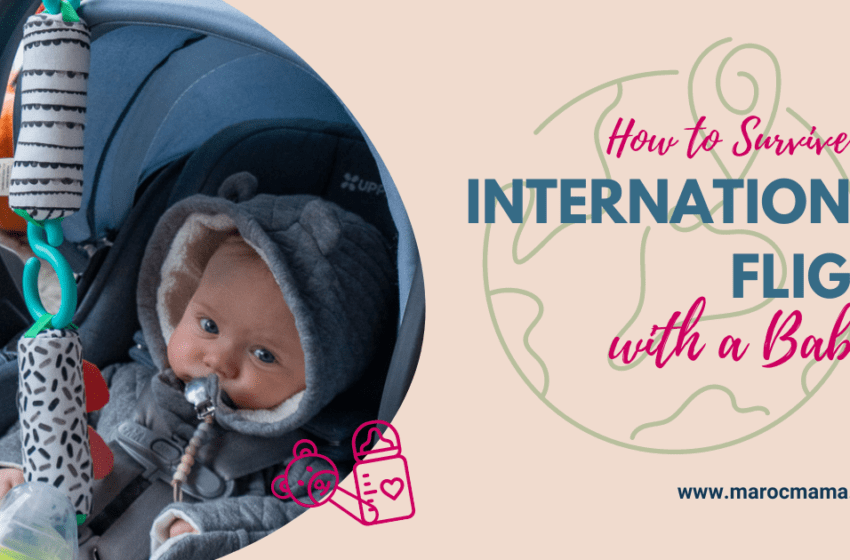
Voyager à l’international avec un bébé : conseils essentiels pour un vol réussi
Surviving International Travel with a Baby: Essential Tips for Parents
Learn how to navigate long-haul flights with a baby seamlessly with our expert tips, ensuring smooth travels and happy little ones.
Flying internationally with an infant can seem like an overwhelming experience for many parents. After years of solo travel, the prospect of embarking on long-haul flights with a baby might evoke anxiety. However, having traveled extensively with a baby, it’s clear that with the right preparation and mindset, this can become an enriching adventure. Below are essential tips that can transform the potentially daunting experience of international travel with a baby into a manageable and enjoyable one.
Prepare the Necessary Documents
Before embarking on any international journey, it’s crucial to remember that even infants need passports. Although it may seem like a straightforward task, acquiring a passport for your baby entails gathering necessary documentation, such as their birth certificate and passport photos.
This process is time-sensitive and should not be left to the last minute. Be proactive, as delays can occur depending on your local passport office’s workload.
Understanding Global Entry Requirements
For American families, it’s vital to note that your baby needs their own Global Entry to use expedited lines at customs. This often requires months of planning, as you’ll need to secure your baby’s passport before applying. While the in-person interview for your little one isn’t as daunting as it sounds—essentially just taking a photo—appointments can be challenging to book. If time is tight, consider handling this upon arrival after your first trip.
Consult a Pediatrician on Health Precautions
Traveling internationally may necessitate certain vaccinations for your child, so it’s a smart move to consult your pediatrician before departure. Depending on your destination, the required immunizations can differ greatly. Be aware of local health risks, especially mosquitoes and other illnesses, and develop a health plan tailored for your baby’s needs.
Strategize Your Flight Schedule
Jet lag can be a significant concern for families, especially for infants adjusting to new time zones. To mitigate this, consider timing your flights strategically. For instance, aligning your baby’s usual bedtime with your flight’s schedule can ease the transition.
If flying westward, booking evening flights allows for better sleep opportunities. If crossing multiple time zones, plan your itinerary to accommodate naps and wake time to keep your baby comfortable and entertained.
Assess the Need for a Separate Seat
While many airlines permit infants to fly as lap children until they reach two years of age, securing a separate seat could be the safest option for your baby. If you choose this route, ensure that your car seat is FAA-approved and compatible with airline seats.
Though costs can be high—potentially around 10% of an adult fare—having your baby secured in a car seat might make for a smoother flight experience.
Reserve a Bassinet for Comfort
If you’re flying internationally, inquire about reserving a bassinet for your baby, especially on flights with bulkhead seating. Some airlines prioritize families when it comes to these accommodations. Contact your airline after booking to guarantee this addition.
If you’re flying on a U.S. or Canadian airline, be prepared to request this at check-in or even at the gate, as advance reservations may not be available.
Choose the Right Baby Carrier
Having a reliable baby carrier can be a game-changer during travel. Opting out of a stroller allows you to keep your hands free and manage gear more effectively. Several lightweight carriers are available; a snug fit can help your baby sleep while you navigate through terminals effortlessly.
Pack Engaging Toys
Your baby may benefit from a few small toys to keep them engaged during the flight. Look for colorful items or those with sensory elements to stimulate their curiosity. Including something new can provide added interest, as can familiar books that offer comfort.
Plan Feeding Strategy Ahead of Travel
Feeding presents its own challenges when flying. Whether breastfeeding, formula feeding, or a combination of both, make sure you carry sufficient supplies. Familiarize yourself with the airline’s policies on baby food and supplies, and consider bringing a pump for convenience during the flight.
No matter your feeding method, ensure you have the necessary equipment and supplies to make feeding hassle-free once airborne.
Pre-Order Baby Meals When Possible
If your baby is eating solids, taking advantage of airlines that offer baby meals can be beneficial. Contact the airline ahead of your flight to pre-order meals that suit your baby’s dietary preferences. However, always have some of your own baby food handy to ensure your little one is fed something familiar.
Manage Ear Pressure During Take-Off and Landing
The change in altitude can affect babies’ ears, potentially causing discomfort. To help alleviate any pressure, make sure your baby either feeds or sucks on a pacifier during take-off and landing. This simple act can significantly reduce the chance of ear pain for your little one.
Allow for Additional Time at the Airport
When traveling with a baby, it’s essential to allow extra time for everything at the airport, from security checks to getting to your gate. Anticipating longer wait times can make the experience smoother and less stressful. Use layovers to your advantage; they provide an excellent opportunity for baby changes, feeds, or a little exploration to help your child stretch and decompress.
Traveling with a baby is undoubtedly different than taking solo trips, yet it’s shockingly easy once you adapt your plans to accommodate the little ones. With thoughtful preparation and flexibility, you may find that infants can be surprisingly good travelers. Be assured: embarking on international flights with your baby can be a rewarding experience worth every ounce of effort.