
Le Maroc, destination idéale pour des vacances d’hiver ensoleillées et variées
Discover Why Morocco is the Ideal Destination for Winter Holidays
Explore the magic of Morocco this winter, where cultural richness, stunning landscapes, and pleasant weather await.
Winter holidays in Morocco attract travelers seeking a unique blend of sunshine, cultural exploration, and diverse landscapes. With its strategic proximity to Europe, Morocco offers a distinctive atmosphere compared to the chilly winter months typically found across many European countries.
As temperatures rise during the summer in cities like Marrakech and Fes, winter provides a more inviting climate for sightseeing. Visitors can stroll through Marrakech’s vibrant souks, delve into the history of Fes’s ancient medina, investigate Roman ruins near Meknes, and admire breathtaking rooftop views without the discomfort of oppressive heat.
Winter Adventures in the Sahara
The Sahara Desert, a prominent attraction, transforms into a more pleasant getaway during winter. From December to March, the desert welcomes travelers with comfortable daytime temperatures, making it ideal for camel trekking and 4×4 adventures. Spectacular sunset walks on the dunes and evenings spent in luxury desert camps create unforgettable experiences, although those venturing to the desert must prepare for colder nights.
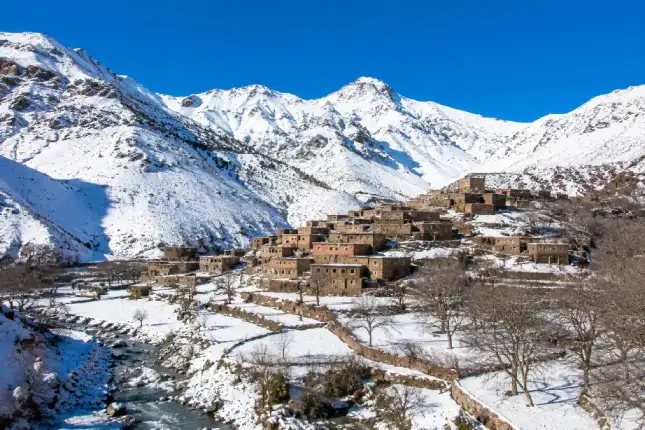
The beauty of Morocco’s winter holidays lies in their contrast. Travelers can enjoy sunny medinas, experience snow in the Atlas Mountains, marvel at the golden dunes of Merzouga, and unwind along the serene Atlantic coast of Essaouira. Few destinations can offer such diversity within a short distance during the winter months.
Enjoy Fewer Crowds Across the Land
Winter also brings the advantage of fewer crowds in popular destinations. Cities like Marrakech, Fes, and the captivating desert are generally quieter than in peak spring and autumn seasons—though holidaying around Christmas and New Year warrants early bookings due to heightened demand. For couples, families, and those seeking a more tranquil cultural experience, Morocco stands out as a preferred winter holiday choice.
Understanding Morocco’s Winter Weather
Morocco’s winter climate varies greatly based on the region. Travelers should be prepared for different weather conditions, whether in bustling Marrakech, historic Fes, the vast Sahara, or the snow-capped Atlas Mountains.
In general, many areas enjoy mild, sunny days, particularly Marrakech, Rabat, and Essaouira. However, mornings and evenings can bring chilly temperatures. Northern cities like Fes and Chefchaouen tend to be cooler, while the Atlas Mountains can receive a fresh blanket of snow. Visitors to the Sahara can expect warm days but should pack appropriately for the cold nights ahead.
Here’s how the winter months typically unfold:
December: A lively month filled with holiday cheer, it attracts many tourists eager to celebrate Christmas and New Year. Booking early is advisable as popular accommodations, including riads and desert camps, can fill up quickly.
January: Often considered a quieter time for tourism, January experiences cooler temperatures, particularly at night. It is perfect for those desiring fewer crowds and a more serene atmosphere.
February: Temperatures start to rise, making it a charming period for desert trips and romantic getaways. Travelers may find the weather more pleasant as winter wanes.
March: Marking the transition into spring, March becomes one of the best months for a comprehensive Morocco itinerary. As landscapes flourish and temperatures warm, travelers can enjoy a mix of cities, desert, mountains, and coastal experiences.
Packing for Your Morocco Winter Trip
Travelers should prioritize packing layers for their Morocco winter holiday. While light clothing may suffice during the day in Marrakech or the desert, warmer attire is essential after sunset. This is especially true in cooler areas such as Fes, Chefchaouen, and the Atlas Mountains. Notably, some traditional riads may not have robust heating, making the choice of accommodation a significant factor in ensuring a comfortable stay.
Top Destinations to Explore in Morocco This Winter
Deciding where to visit in Morocco during winter depends on your interests. Marrakech proves to be an ideal spot for visitors seeking sunny weather, picturesque gardens, and cultural landmarks without the oppressive heat of summer.
Fes appeals to history enthusiasts and those eager to explore local artisans and authentic Moroccan cuisine, although evenings can be notably chilly. In contrast, the Sahara Desert captivates visitors with its stunning landscapes tailored for various adventures such as camel trekking and breathtaking sunset photography.
The Atlas Mountains provide picturesque snow-capped views and glimpses into traditional Berber villages, serving as a unique winter wonderland. For those preferring a coastal experience, Essaouira presents a laid-back atmosphere coupled with mild weather and delectable seafood options.
Crafting the Perfect Morocco Winter Itinerary
An ideal winter itinerary in Morocco harmonizes various experiences—melding city exploration, desert adventures, mountainous landscapes, and coastal relaxation without feeling rushed. A recommended route for a 10 to 12-day holiday could commence in Casablanca, progress to Rabat, Chefchaouen, Fes, the Sahara in Merzouga, the Dades Valley, and culminate in Marrakech, with Essaouira as an optional final stop.
This thoughtfully curated route allows travelers to uncover the multifaceted allure of Morocco, including its imperial cities, captivating blue streets, rolling sand dunes, historic kasbahs, and stunning mountain scenery. It also strategically avoids prolonged stays in homogeneous climates.
Whether beginning in Marrakech, Tangier, Rabat, or another city based on flight availability, a private tour offers the flexibility to tailor the itinerary according to personal travel preferences, pace, accommodation choices, and prevailing weather conditions.
Morocco beckons as a winter holiday destination like no other, inviting travelers to delve deep into its vibrant culture and diverse natural beauty.