
La diversité des lieux de culte dans les pays musulmans révèle une tolérance religieuse surprenante
Exploring Religious Diversity in Predominantly Muslim Countries
Discover the often-overlooked presence of diverse religious practices in Muslim-majority nations.
In many corners of the world, a common myth perpetuated in Western narratives is that non-Islamic religious practices are largely absent in predominantly Muslim countries. However, the reality is rich with complexity and diversity. Across these nations, one can find numerous houses of worship catering to a range of faiths, which showcase the region’s long-standing commitment to religious coexistence. Insights from seasoned travelers reveal vibrant communities that celebrate their spiritual heritages, dispelling misconceptions and offering a glimpse into a world often misrepresented in mainstream media.
Church of Kish, Azerbaijan
Located in a serene village just a short drive from Sheki in Azerbaijan, the Church of Kish is a remarkable example of ancient religious architecture. Dating back to the 12th century, this Caucasian Albanian church symbolizes the region’s long history with Christianity, having been built long before Islam spread throughout the area. Known also as the Church of St. Elise, this historic site embodies the enduring legacy of the Christian faith in the Caucasus.
In this well-preserved church, visitors can witness an echo of the past that continues to thrive amid a predominantly Muslim society. Travelers often highlight its stunning architecture and the tranquil ambiance that surrounds this ancient structure, demonstrating the rich tapestry of faith that exists within Azerbaijan’s borders.
St. George’s Church in Madaba, Jordan
Madaba, famed for its ancient churches and spectacular Byzantine mosaics, continues to draw visitors eager to explore its sacred sites. St. George’s Church, a Greek Orthodox church dating back to the 19th century, houses the world-renowned mosaic map of the Holy Land created in the 6th century AD. This artistic treasure maps out significant biblical locations, reinforcing the church’s historical significance.
Visitors often find themselves captivated by the blend of art and history within this church. The parallel between Madaba’s religious heritage and its contemporary society serves as a vivid example of the region’s religious diversity, welcoming all who seek a deeper understanding of its history.
Saint Sirkis Cathedral of Tehran
Nestled amid the bustling streets of Tehran, the Saint Sirkis Cathedral stands as a testament to the vibrant Christian community in Iran. Built in 1970, this Armenian cathedral serves as the focal point for Christians in the region. Its unassuming exterior belies the beauty housed within, including intricate interiors that attract the faithful and curious alike.
Saint Sirkis not only provides a place for worship but also acts as a cultural bridge, connecting the past with the present in a city rich with diverse stories. Many visitors express a sense of unity and peace when entering the cathedral, discovering that Tehran’s religious identity is more inclusive than it is often portrayed.
Louhata Damai Church on Saparua Island, Indonesia
On the picturesque Saparua Island in Indonesia, the Louhata Damai Church serves as a symbol of harmony amid its mixed-religious community. Situated close to a striking mosque, the church exemplifies how different faiths can coexist peacefully. In the village of Sisori, residents have gradually developed a culture of mutual respect and understanding, greatly aided by modern communication.
Tourists often share heartwarming stories of how the local community embraces both Christian and Muslim traditions, showcasing the strength of tolerance. The juxtaposition of the two places of worship signifies a broader willingness to engage with diverse beliefs within Indonesia.
Orthodox Cathedral of the Holy Trinity, Karakol, Kyrgyzstan
Kyrgyzstan, while predominantly Muslim, boasts a rich tradition of religious tolerance exemplified by the Orthodox Cathedral of the Holy Trinity. Originally built as a stone chapel for Russian soldiers, it has evolved through various phases of neglect and restoration, reflecting the tumultuous history of the region.
Today, this cathedral stands tall as a prime example of cultural coexistence, where Orthodox Christians can gather and celebrate their faith openly. Visitors often remark on the cathedral’s stunning wooden architecture, deepened by its historical significance in the community.
Ghibra Synagogue in Djerba, Tunisia
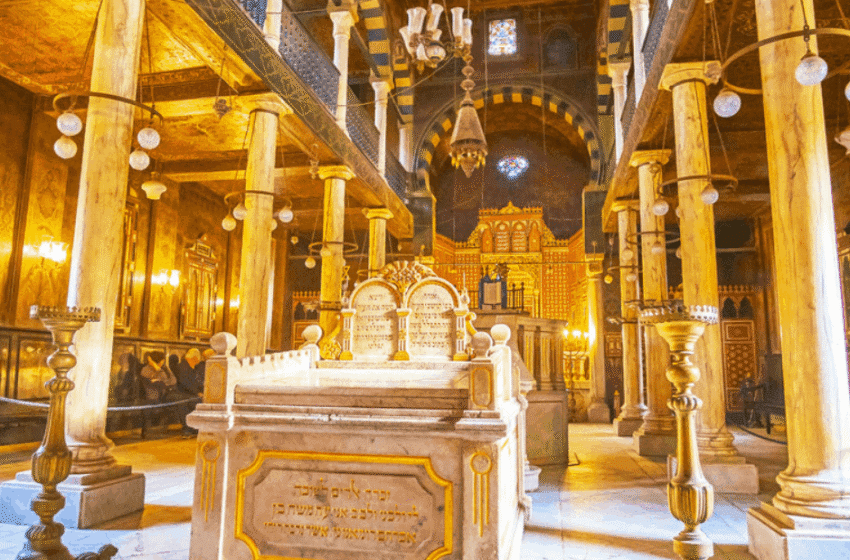
On the island of Djerba in Tunisia, the Ghibra Synagogue holds the title of Africa’s oldest synagogue, standing as a vital link to the region’s Jewish heritage. Founded in 526 BC, this sacred site is a hub for the local Jewish community and draws visitors from across the globe.
The synagogue remains an active place of worship, showcasing ongoing traditions, including lively celebrations that attract attendees from all around the Mediterranean. Travelers who visit Ghibra leave with a profound appreciation for the interwoven history of religions in Tunisia.
The Last Jew of Afghanistan
In a poignant reflection on the human experience, the story of the last known Jew in Afghanistan serves as a testament to the resilience of minority communities in predominantly Islamic societies. This extraordinary individual has chosen to remain in Kabul, where he plays a role in preserving the rich tapestry of Afghanistan’s history, despite the diminished numbers of his faith in the region.
Visitors often find that stories of inclusion and acceptance thrive in unlikely circumstances, underlining the importance of mutual respect for different cultures and religions.
Cathedral of the Assumption of the Virgin in Tashkent, Uzbekistan
In Uzbekistan, travelers can marvel at the Cathedral of the Assumption of the Virgin, built in 1871 and one of the few survivors of the devastating earthquake of 1966. This Orthodox cathedral highlights the historical resilience of Christian worship in a predominantly Muslim context, providing a glimpse into the nation’s multifaceted cultural landscape.
Visitors to Tashkent often admire the cathedral’s architecture and historical significance, recognizing it as a symbol of enduring faith in the face of adversity.
Cultural Coexistence in Malaysia
In Penang, Malaysia, St. George’s Church stands as a proud icon within a community that celebrates its multicultural heritage. This Anglican church, whose history spans over two centuries, showcases resilience amidst changing times, from colonial rule through World War II to present-day Malaysia.
While the island’s majority identifies as Muslim, the presence of this historic church serves as a reminder that faith transcends religious boundaries, providing a space for diverse communities to come together in celebration.
Visiting Religious Sites in Muslim Countries
Traveling through predominantly Muslim countries to visit various religious sites opens a window to the intricate relationship between faiths. Places of worship such as churches, synagogues, and temples not only represent the spiritual lives of their congregations but also embody a broader message of tolerance and coexistence.
Exploring these sacred spaces enriches travelers’ experiences and promotes understanding between cultures. By witnessing the artistry and devotion that mark these sites, visitors come to recognize the shared human experience that unites us all, fostering a spirit of reverence and respect across diverse backgrounds.